Our Programs

& Strategic Focus Areas

Implementing practical, community-driven solutions that balance sustainable economic development with long-term environmental stewardship.

2,000+ People Have Donated Here

Blue Economy & Fisheries
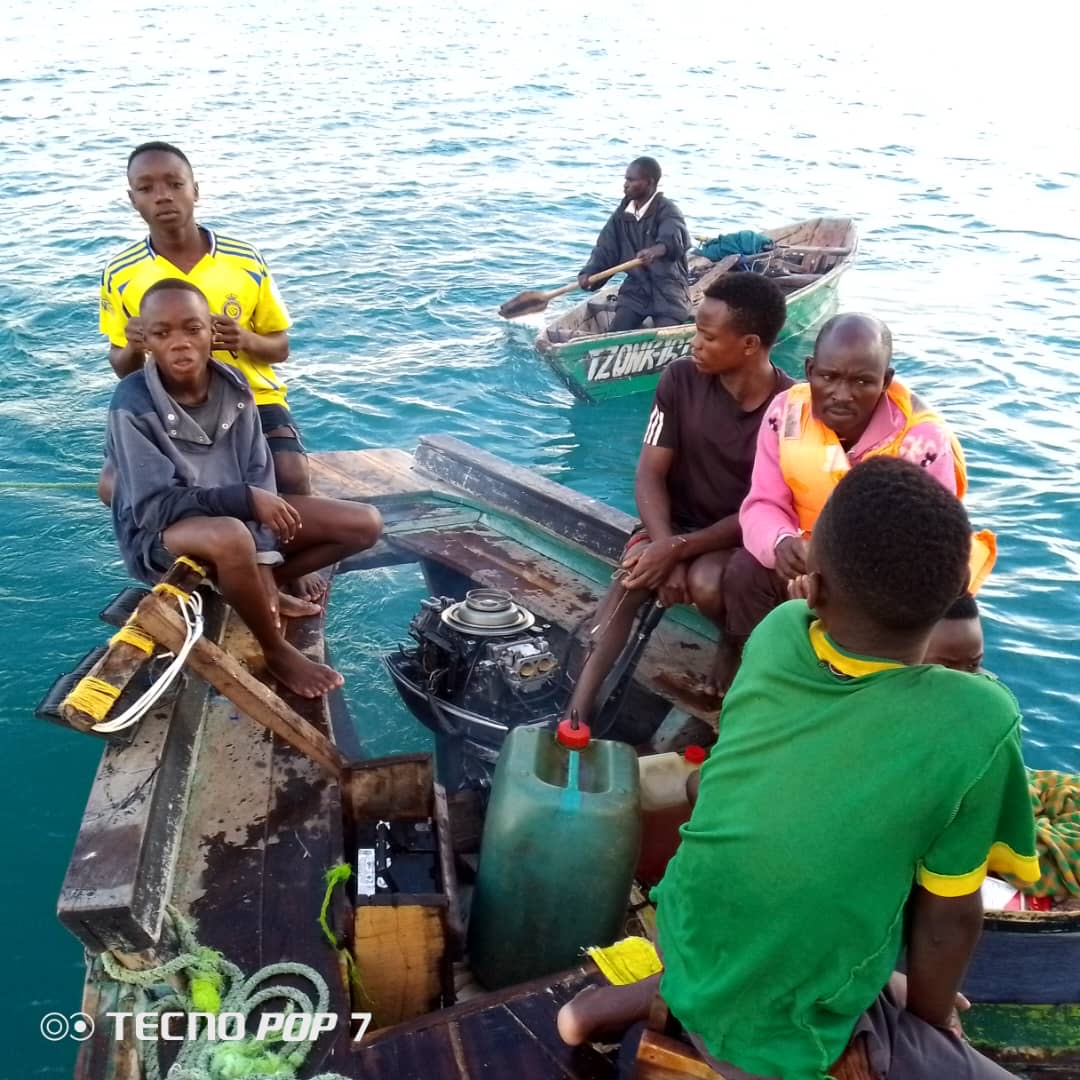
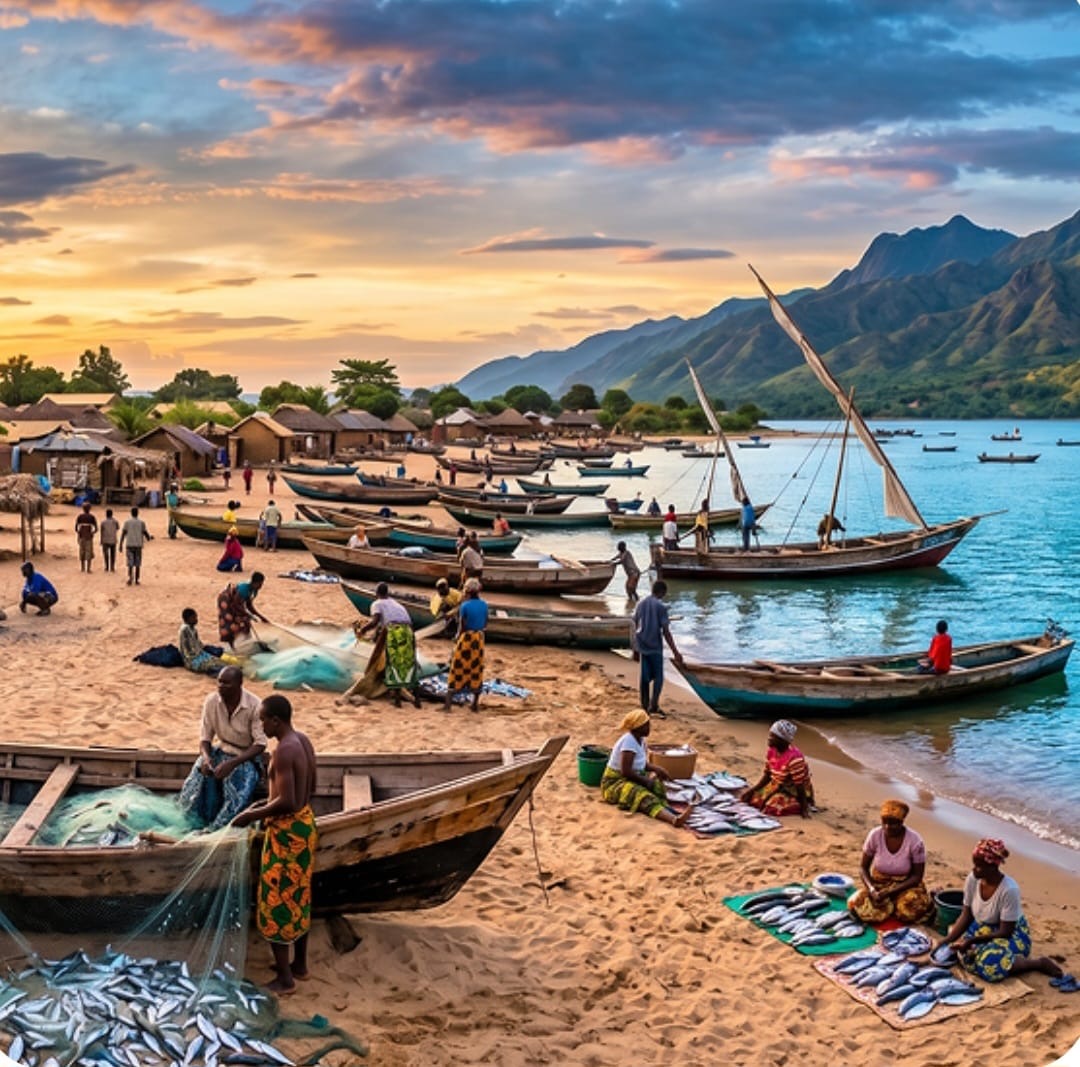
BEAT promotes sustainable blue economy development through community-centered fisheries, aquatic resource management, and inclusive livelihood systems around Lake Tanganyika.

Our work focuses on
Sustainable fisheries management
Fisheries value addition and market access
Aquaculture and alternative livelihoods
Community fisheries governance
Fish preservation, processing, and distribution systems
Support for small-scale fishers and fishing households
Promotion of environmentally responsible blue economy enterprises
Climate Adaptation & Resilience

Communities around Lake Tanganyika are increasingly vulnerable to climate-related shocks including storms, flooding, shoreline erosion, changing fish patterns, and ecosystem degradation.

Our climate resilience initiatives include
Community climate adaptation planning
Early warning and preparedness awareness
Climate-smart livelihood diversification
Research and knowledge sharing on climate impacts
Community resilience building for lakeshore populations
Capacity strengthening for local institutions and community groups
Promotion of nature-based and ecosystem-based adaptation approaches
Women & Youth Livelihoods

BEAT recognizes women and youth as essential drivers of sustainable development and inclusive blue economy transformation.

Our interventions focus on
Women’s participation in fisheries value chains
Youth engagement in blue economy enterprises
Entrepreneurship and business development
Skills training and capacity building
Financial inclusion and livelihood support
Community leadership and civic participation
Market access and value addition opportunities
Water Safety & Disaster Risk Reduction
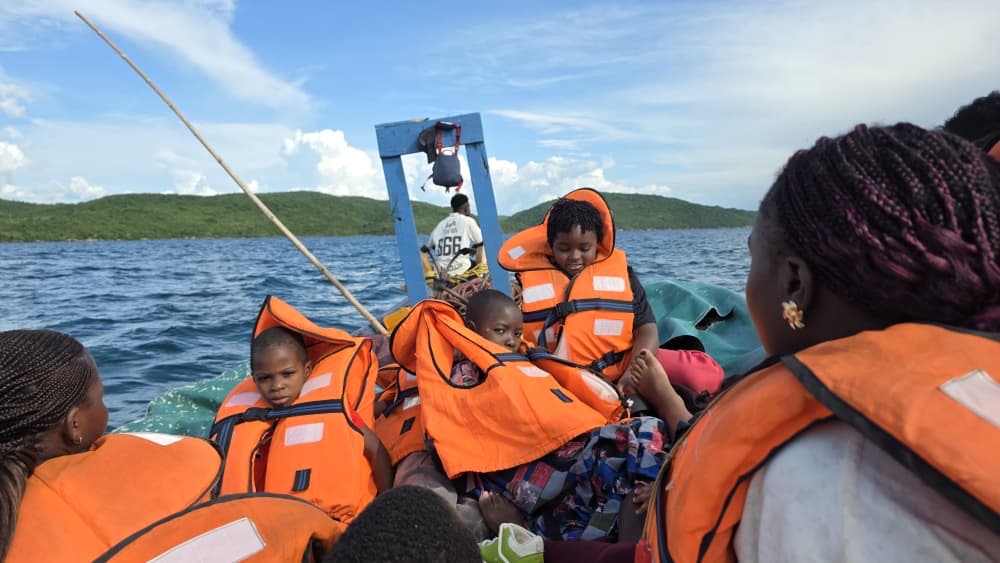
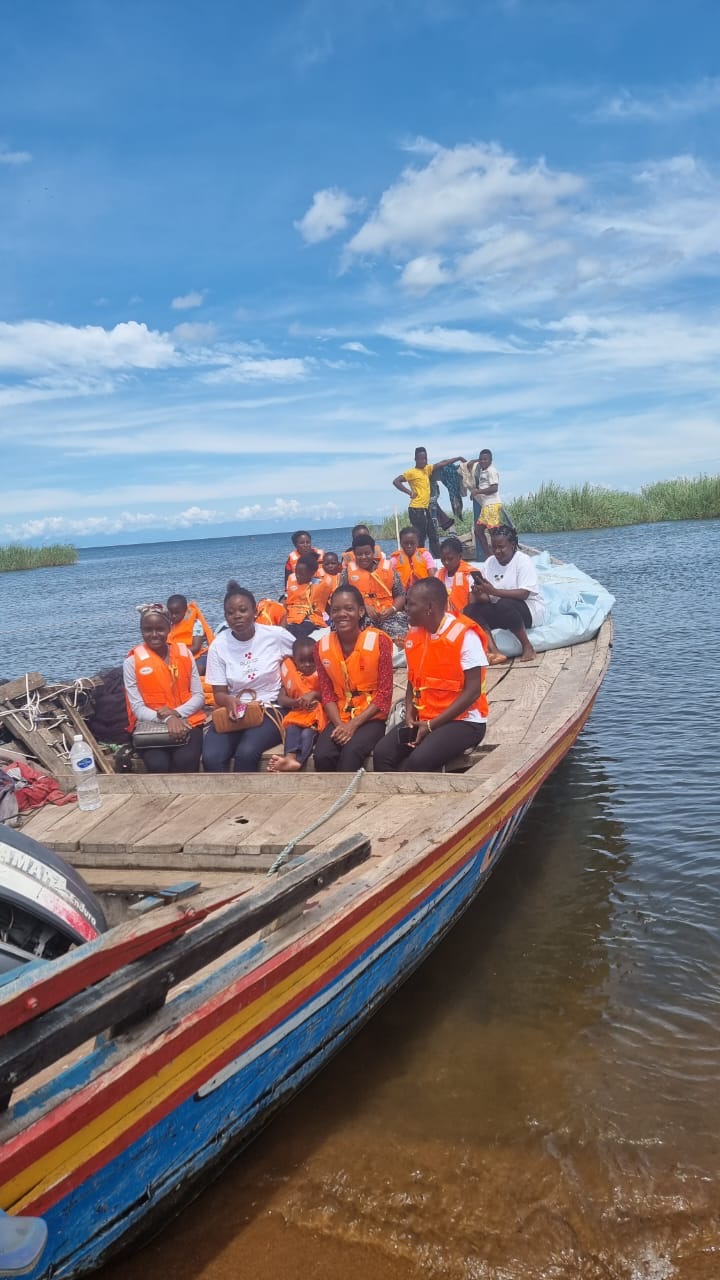
Lake Tanganyika communities face growing risks associated with water transport accidents, extreme weather events, storms, flooding, and limited emergency preparedness systems.

Key focus areas include
Community water safety awareness
Disaster preparedness and response education
Promotion of safe navigation and boating practices
Community-based early warning systems
Emergency response and first aid awareness
Strengthening local resilience to climate-related disasters
Partnerships for maritime and water safety advocacy
Ecosystem Conservation

BEAT promotes the protection and sustainable management of freshwater ecosystems, biodiversity, and natural resources within the Lake Tanganyika Basin.
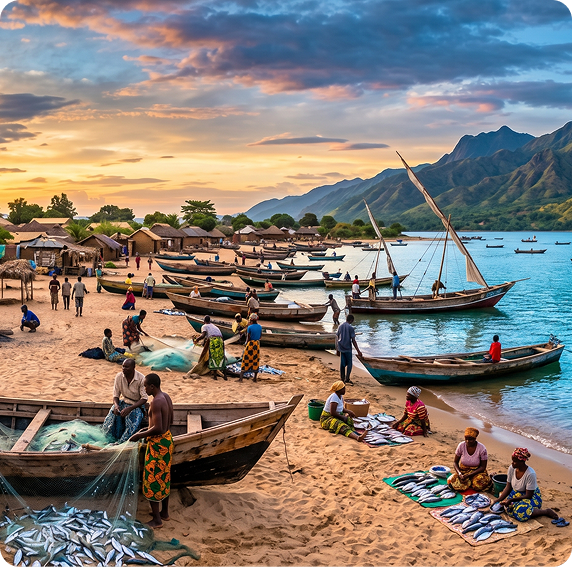

Our ecosystem conservation work includes
Shoreline and watershed conservation
Environmental awareness and education
Community participation in conservation initiatives
Promotion of sustainable natural resource use
Support for ecosystem restoration efforts
Climate and biodiversity advocacy
Strengthening partnerships for environmental stewardship
Who We Are Image

How We Deliver
Results

1
Phased (Pilot - Scale): We design, test, and refine our programs through focused pilots before expanding to large-scale operations.
2
Community-Centered: Every program places the local lakeshore population at the heart of design and implementation.
3
Partnership-Driven: Working hand-in-hand with external networks, local authorities, and strategic stakeholders.
4
Evidence-Based: Utilizing local data, research, and technical insights to maximize community impact.
5
Transparent & Accountable: Ensuring rigorous oversight and absolute transparency across all implementation stages.

Who Benefits From Our Programs?

Lakeshore fishing and aquaculture communities

Supporting sustainable fisheries, safer livelihoods, and improved economic opportunities for communities dependent on Lake Tanganyika resources.

Women operating within fisheries value chains

Strengthening women’s economic participation, leadership, and resilience across fisheries processing, trade, and value addition activities.

Youth seeking employment and entrepreneurship pathways

Empowering young people through blue economy skills, innovation, entrepreneurship, and sustainable livelihood opportunities

Climate-affected vulnerable households along the shoreline

Building resilience and adaptive capacity for vulnerable households facing climate-related environmental and livelihood challenges.